
Accelerating Solar Technology Projects with an SAP Implementation Partner
Global solar capacity has grown at double-digit rates for more than a decade, pushing project volumes, data, and timelines to levels many companies struggle to manage with spreadsheets and disconnected tools. As solar technology firms scale, operational complexity often rises faster than revenue, creating delays, cost overruns, and visibility gaps.
That pressure is why many solar companies turn to an experienced SAP implementation partner early in their growth journey. Partners such as Accely help solar businesses connect planning, procurement, installation, and maintenance into one ERP system. The result is smoother execution across projects that may span multiple sites, suppliers, and regulatory environments.
Why solar projects demand smarter systems
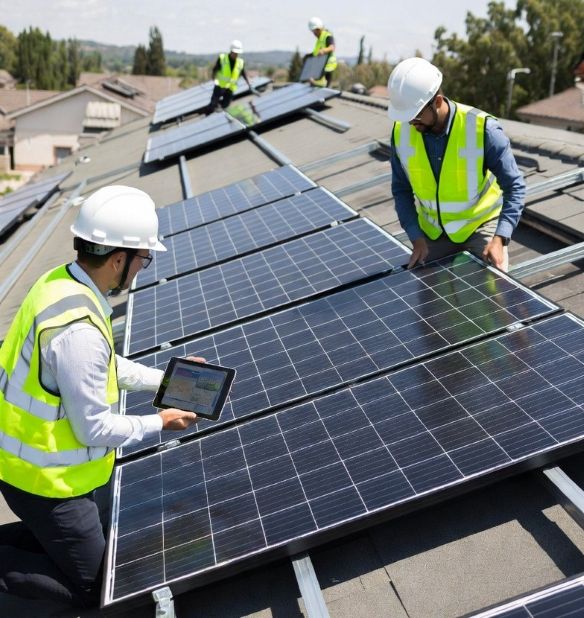
Solar technology projects are asset-heavy and schedule-driven. Panels, inverters, mounting systems, and grid components must arrive on time and in the right sequence, and teams must also understand how solar energy is used in homes and businesses to align installations with real-world needs. A single delay can ripple across an entire rollout. At the same time, teams must track permits, subcontractors, inspections, and long-term performance data.
Traditional tools often split this information across departments. Finance works in one system, operations in another, and field teams rely on manual updates. ERP platforms like SAP bring these threads together. They create a single source of truth that shows what is ordered, what is installed, and what still needs attention.
Improving project planning and resource management
Accurate planning is the backbone of profitable solar deployments.
SAP supports detailed project structures that map tasks, budgets, and timelines from site assessment through commissioning. Managers can assign labor, equipment, and materials with a clear view of capacity and constraints.
Resource management improves when teams see real-time data instead of last week’s reports. If a crew finishes early or a shipment is delayed, schedules can be adjusted quickly. This flexibility helps solar companies avoid idle labor and rushed installations, both of which drive up costs.
Real-time tracking from warehouse to rooftop
One of the strongest advantages of ERP in solar operations is real-time tracking. SAP systems monitor inventory levels, shipment status, and asset locations across warehouses and job sites. Field teams know exactly which components are available before they arrive on site.
This visibility extends beyond installation. Once systems are live, maintenance schedules, warranties, and performance data can be linked to each asset. Solar operators gain a clear picture of lifecycle costs and can plan service work before issues disrupt energy production.
Transparency and reporting for sustainable growth
Investors, regulators, and utility partners expect accurate reporting from solar technology companies. ERP platforms support standardized reporting across finance, operations, and compliance. Project margins, carbon impact data, and asset performance can be reviewed with confidence.
Working with a certified SAP implementation provider ensures these reports are built on clean data and aligned with business goals. Experienced partners understand both the technical setup and the operational realities of renewable energy projects.
The value of the right implementation partner
ERP software alone does not guarantee success. Implementation quality matters just as much as the platform itself. A knowledgeable SAP implementation partner helps solar companies configure modules to match real workflows, not generic templates.
Accely, for example, brings experience across energy and infrastructure projects. Its teams guide solar businesses through system design, data migration, and user training. This approach reduces disruption during rollout and helps teams adopt new tools with confidence.
Building a foundation for long-term performance
Solar technology companies operate in a market where efficiency and reliability define competitiveness. ERP systems create a foundation that supports growth without chaos. They make it easier to expand into new regions, manage larger portfolios, and respond to policy changes.
Choosing the right SAP implementation partner in the early stages can shape how smoothly a solar business scales. With integrated data, real-time tracking, and clear reporting, companies gain control over complex projects and stay focused on delivering clean energy.